
7 Invoicing Mistakes That Delay Payment
Late payment is often self-inflicted. These are the small invoicing mistakes that quietly push your payment date back by days or weeks — and the easy fixes for each.

Late payment is usually blamed entirely on the client. Sometimes that is fair. But a surprising amount of "late payment" is actually caused by the invoice itself — small mistakes that give a client a legitimate reason to pause, question, or simply set the invoice aside. Here are the most common ones, and how to fix each.
1. No due date
An invoice with no due date is an invoice with no deadline. "Payment due within 14 days" turns a vague ask into a specific commitment — and gives you a clear point at which a follow-up is reasonable, not pushy.
2. Missing or wrong client details
If a client's accounts team cannot match your invoice to their purchase order or internal reference, it gets parked while they chase clarification. Double-check the client name, billing address, and any PO number they gave you before sending.
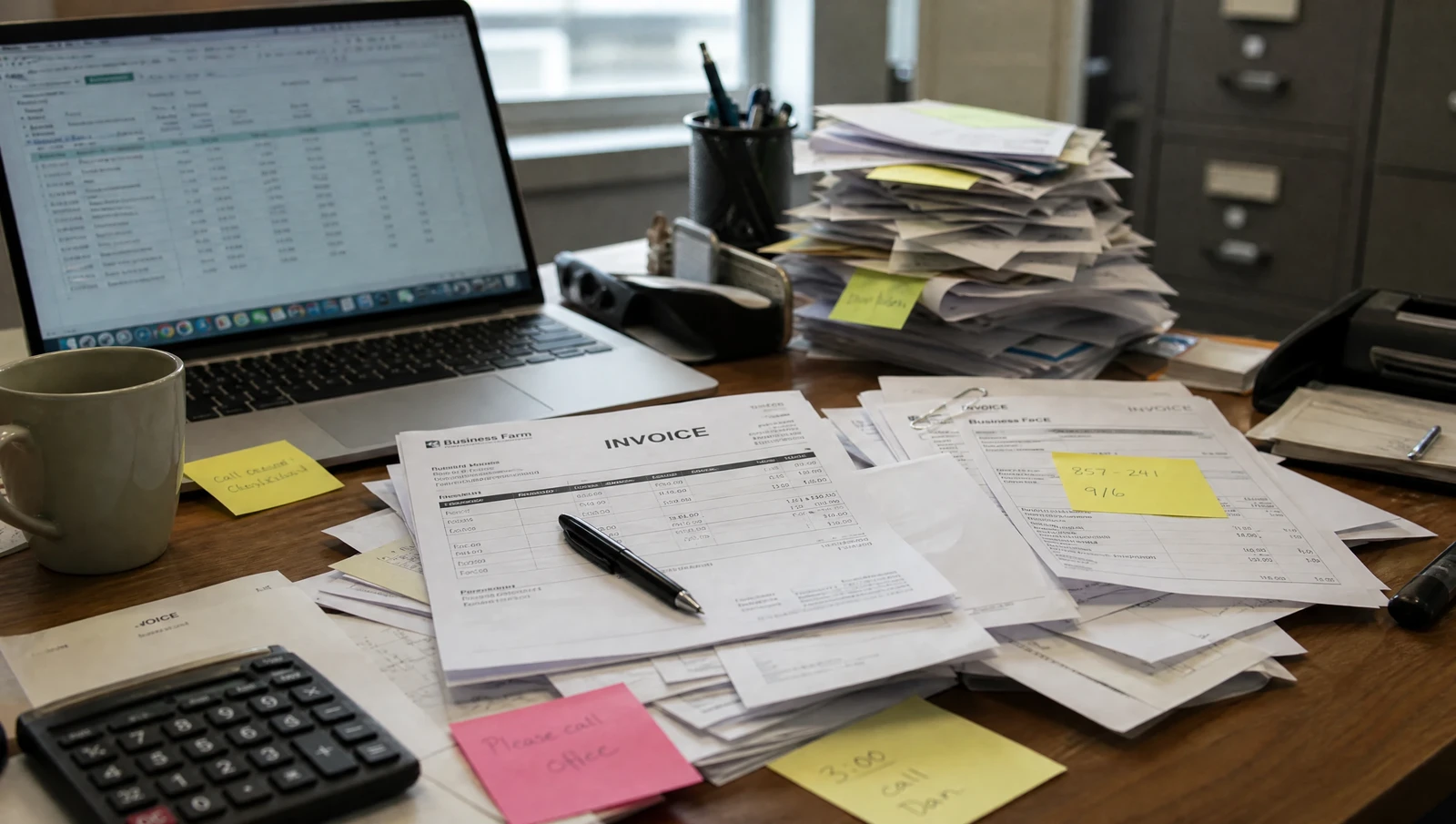
3. No payment method on the invoice
Stating an amount owed without stating how to pay it forces the client to ask, and that question alone can add days. Put a DuitNow QR code or your bank details directly on the invoice PDF.
4. Inconsistent or missing invoice numbers
Skipping numbers, reusing them, or not numbering invoices at all makes your bookkeeping look disorganised — and larger clients' finance teams sometimes flag inconsistent numbering as a reason to hold payment pending review.
5. Sending it late in the first place
An invoice sent a week after the work finished starts the payment clock a week later too. Send it the day the work is delivered, while the value is freshest in the client's mind.
A quick gut check before you hit send: due date, correct client details, a payment method, a sequential invoice number, and sent promptly. Miss one of these and you are giving the client a reason to delay, even unintentionally.
6. No follow-up system
Invoices genuinely get lost in busy inboxes. Without a system for tracking what is sent, paid, or overdue, you only notice a late payment when your own cash flow feels the pinch — usually weeks after it was actually due.
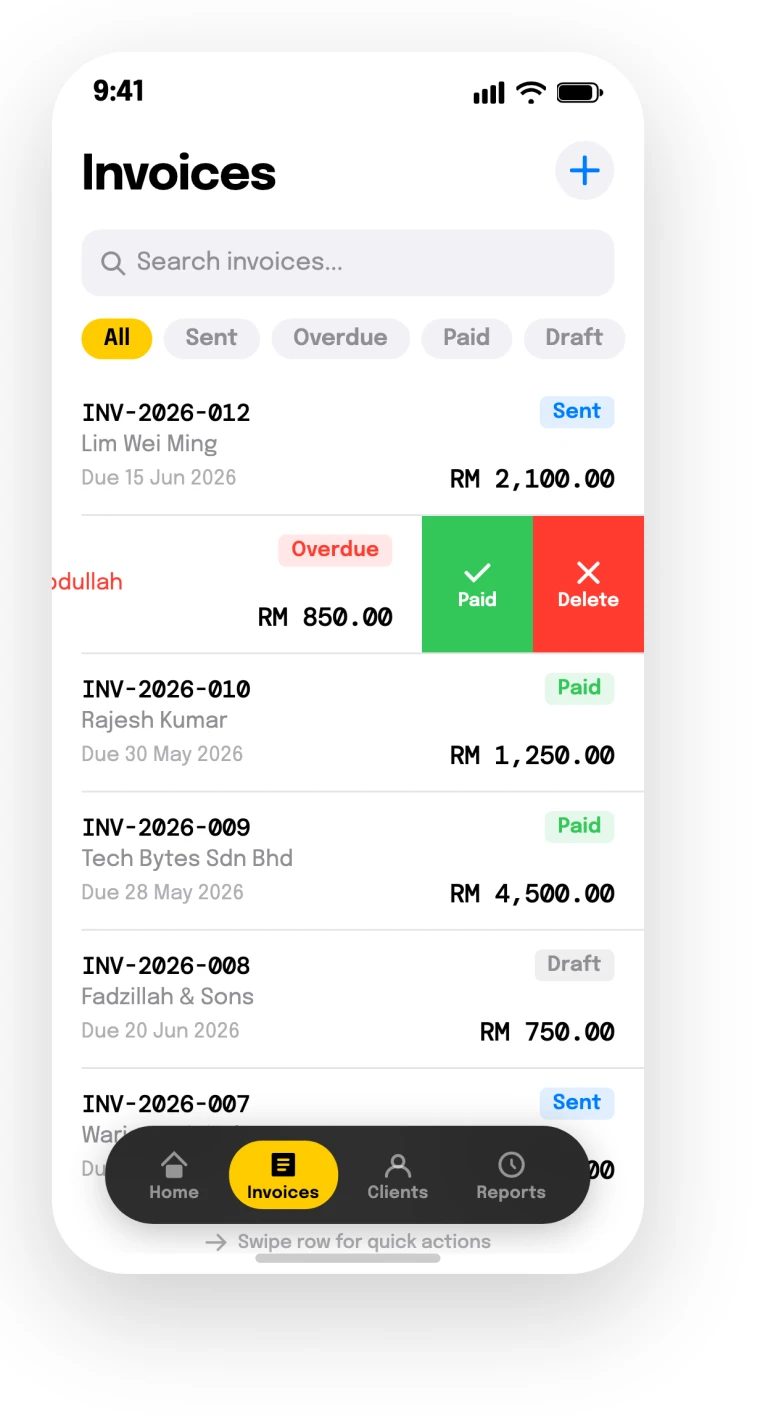
7. Not sending a statement for older clients
For a client with several outstanding invoices, chasing them one at a time feels repetitive and awkward for both sides. A single statement of account listing everything owed is clearer, more professional, and easier to act on.
The bottom line
None of these fixes are complicated — they just require the invoice to be complete, clear, and sent promptly every time. Faktur.my builds each of them in by default, so the invoice that goes out is never the reason payment comes in late.
FAQ
What is the most common reason invoices get paid late?
Missing information is the most common self-inflicted cause — no due date, no payment method, or client details that don't match the client's own purchase order or reference number.
Does adding a due date to an invoice actually speed up payment?
Yes. A specific due date turns an open-ended request into a concrete commitment, and gives you a clear, non-awkward point at which following up is reasonable.
How soon after finishing work should I send the invoice?
As soon as the work is delivered or the sale is complete. Sending an invoice late delays the client's payment clock by the same amount of time, even if your payment terms stay unchanged.
What should I send a client with several unpaid invoices?
A single statement of account listing every outstanding invoice is clearer and more professional than chasing each invoice separately, and makes it easy for the client to settle everything at once.
Try it for yourself
Invoices, quotes, payslips, and statements — built for Malaysian businesses. Free to download.